Be yourself; Everyone else is already taken.
— Oscar Wilde.
This is the first post on my new blog. I’m just getting this new blog going, so stay tuned for more. Subscribe below to get notified when I post new updates.
Be yourself; Everyone else is already taken.
— Oscar Wilde.
This is the first post on my new blog. I’m just getting this new blog going, so stay tuned for more. Subscribe below to get notified when I post new updates.
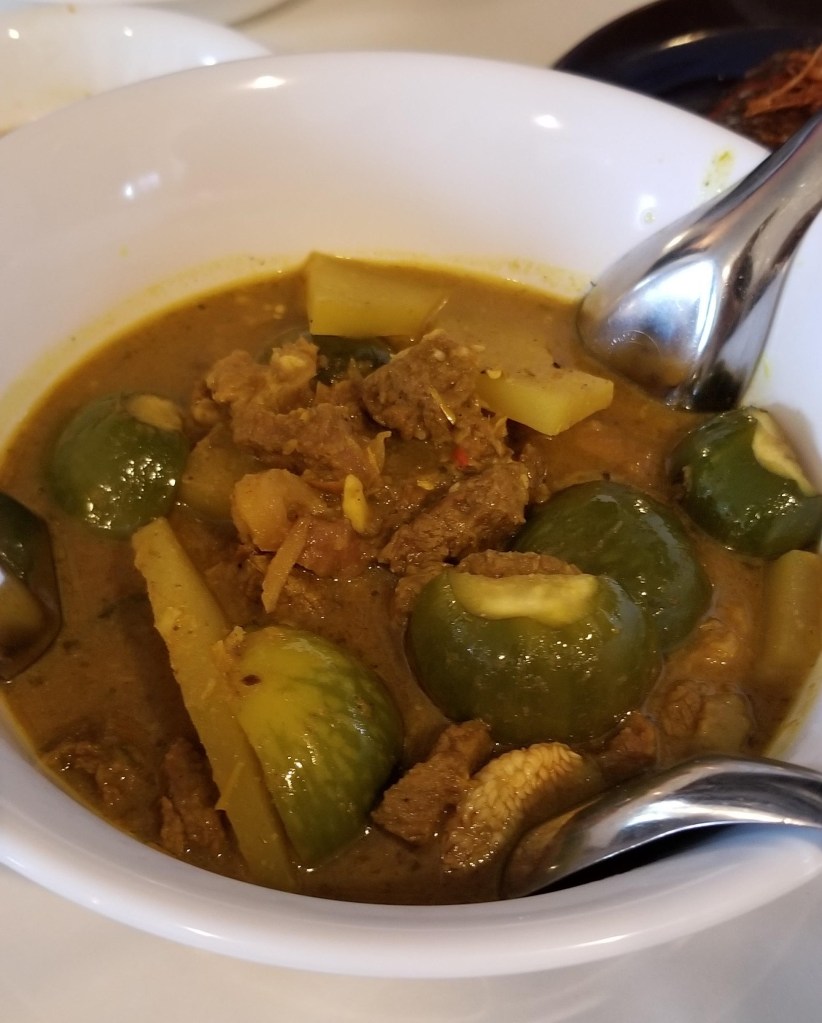
Food brings us together. Food evokes the best childhood memories. Food is an amazing storyteller. And when you are far from home, food is often the only comfort and solace you have to take you back to a place that has helped shaped you into the person you are today. With this pride comes an immense desire to not only learn more about your culture and history; but to also share that knowledge so that future generations can have a better understanding of “where they came from.” And what better way to learn, understand and preserve some Champa history than through food?
So on a beautiful February day in Seattle, we finally kicked off our inaugural Cham Cooking Class. This is something I’ve wanted to do for a long time (and I know many other 1st gen’ers in the Cham community feel the same) so I am giddy with glee that we finally made it happen! We have many goals for these classes: 1. Obviously, to learn how to make these delicious dishes that we grew up eating, 2. To hear the origins of said dishes, 3. To learn more about each elder’s background, their lives, their stories, and 4. To better understand our history (through food and conversation), a history of what makes Cham people, Cham. For a people with little to no written history about our culture, oral history is as prized a possession as you can get, especially as the elders within our community grow older.
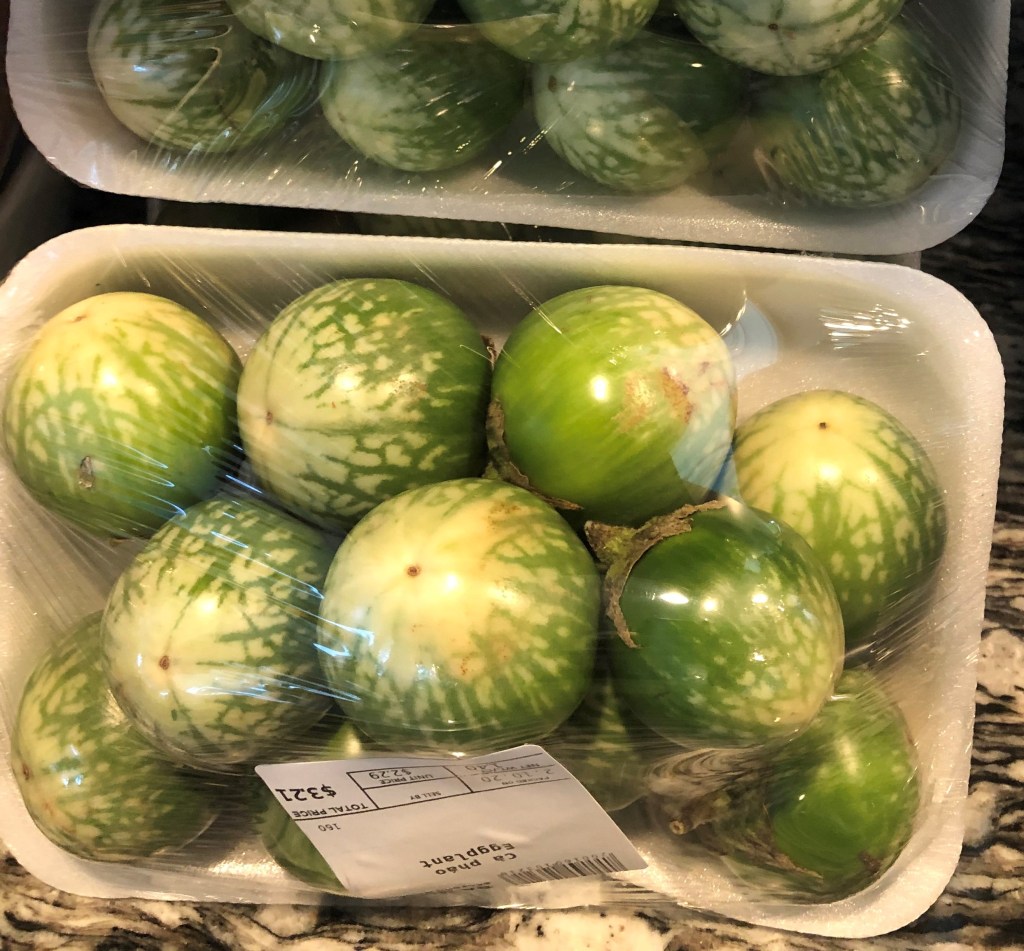
My mom, Hajjah Rokygiah Kally Salaymane KQ, blessed us as the first teacher – teaching us how to make one of my all time favorite dishes – ai pai pageng (beef stew with papaya and eggplant). To see all the work and love that went into the ai pai pageng reminded me why I loved mom’s cooking so much, and made that first bite even more delicious than I remembered. I am thankful to my mom for giving us her time (and recipe)!
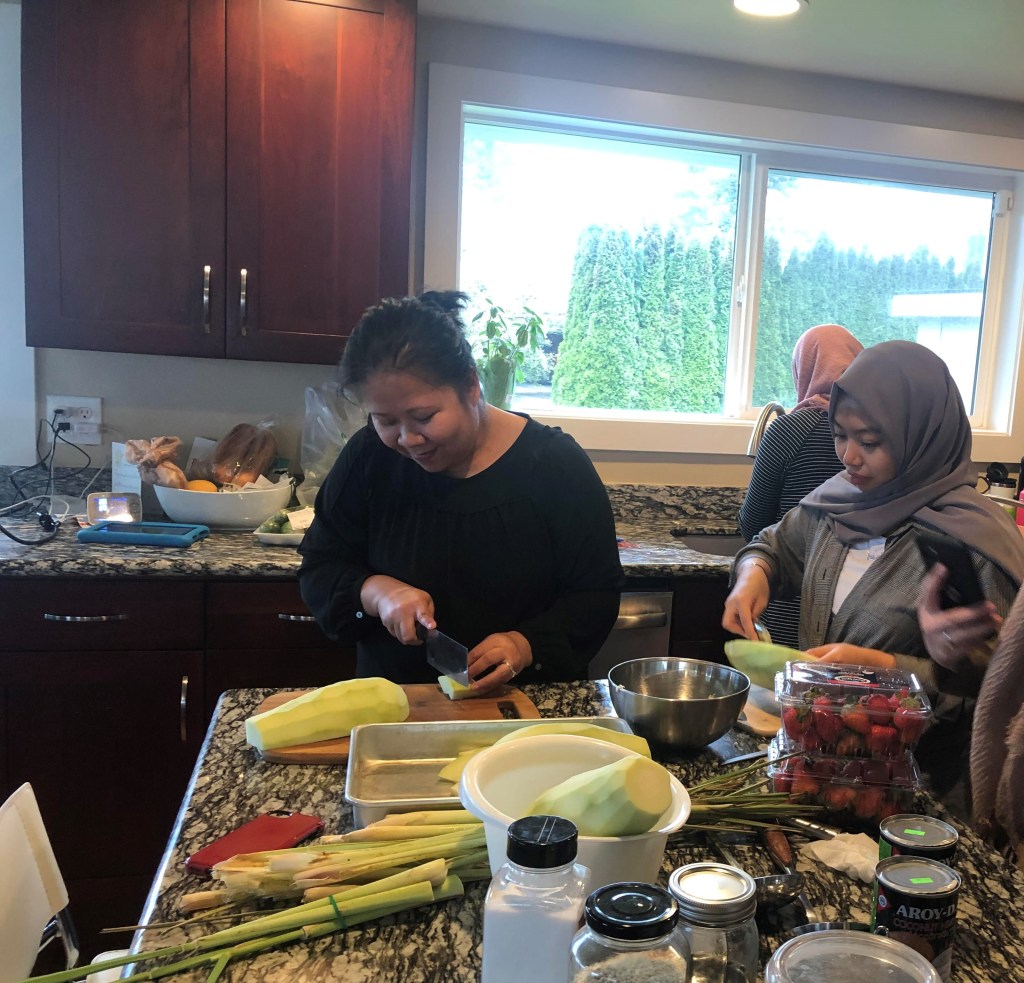
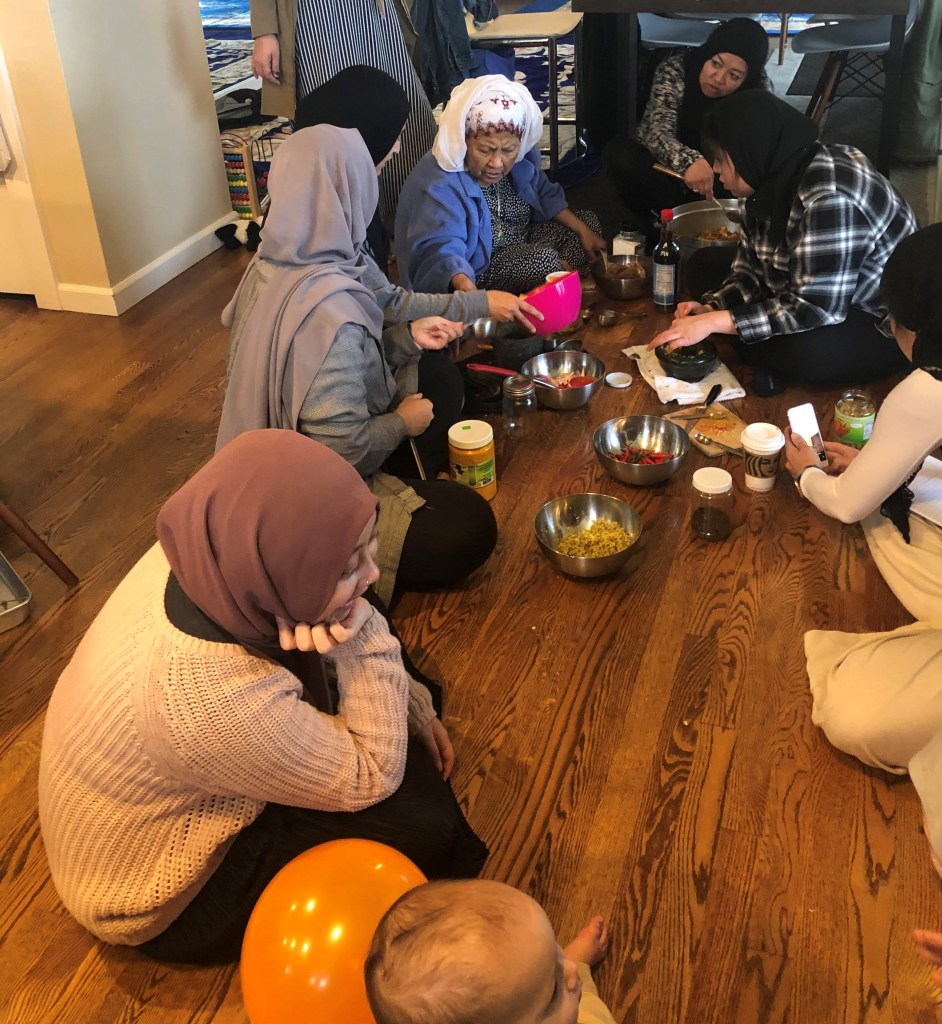
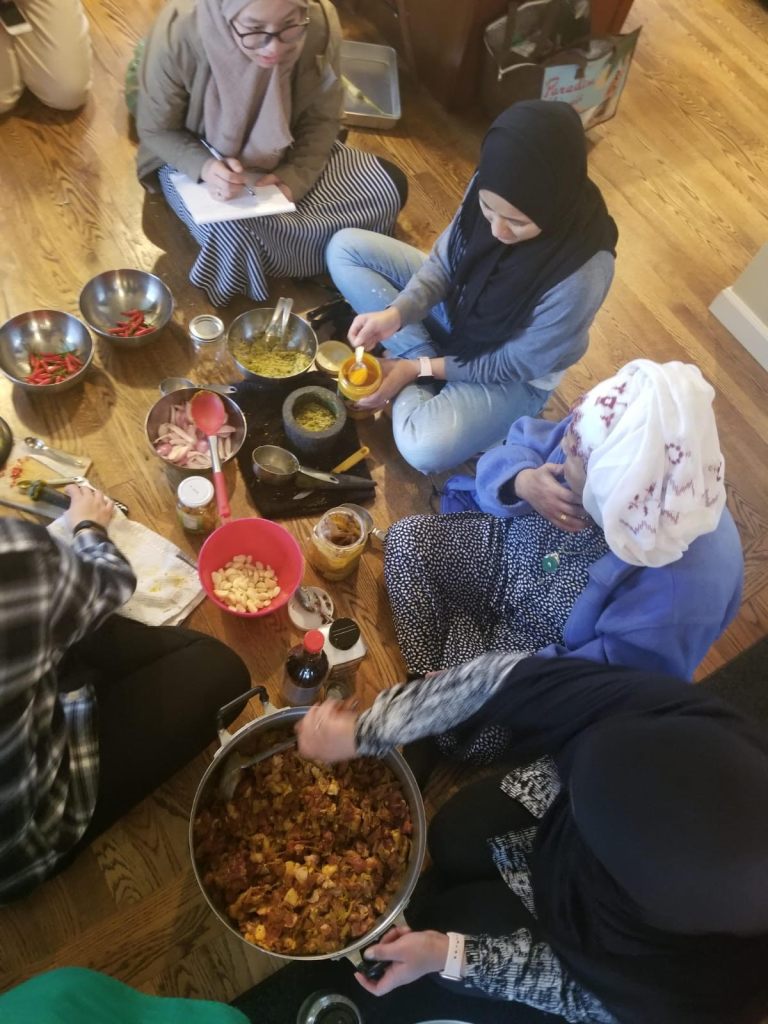
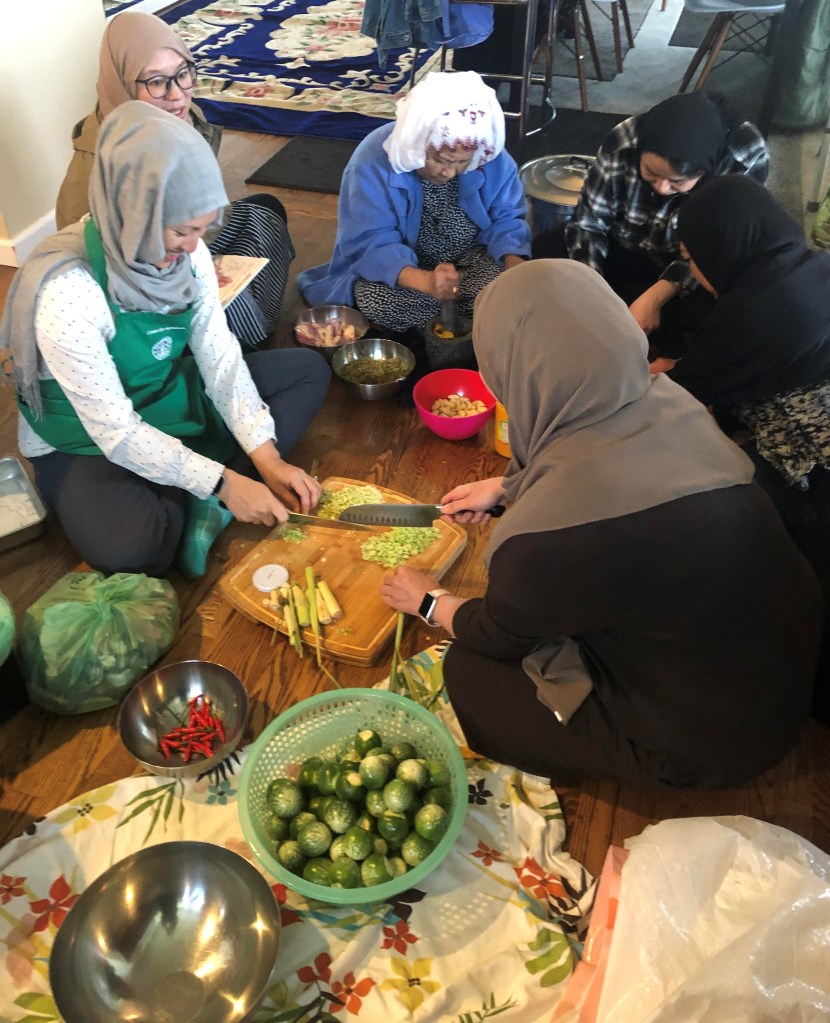
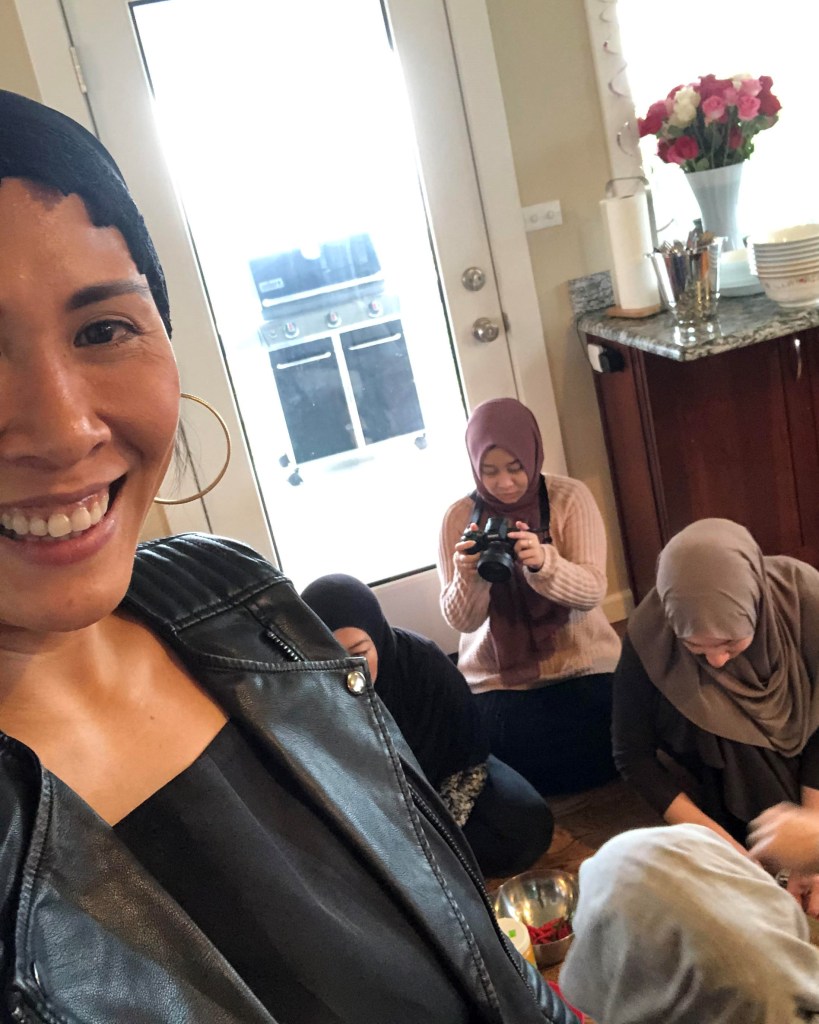
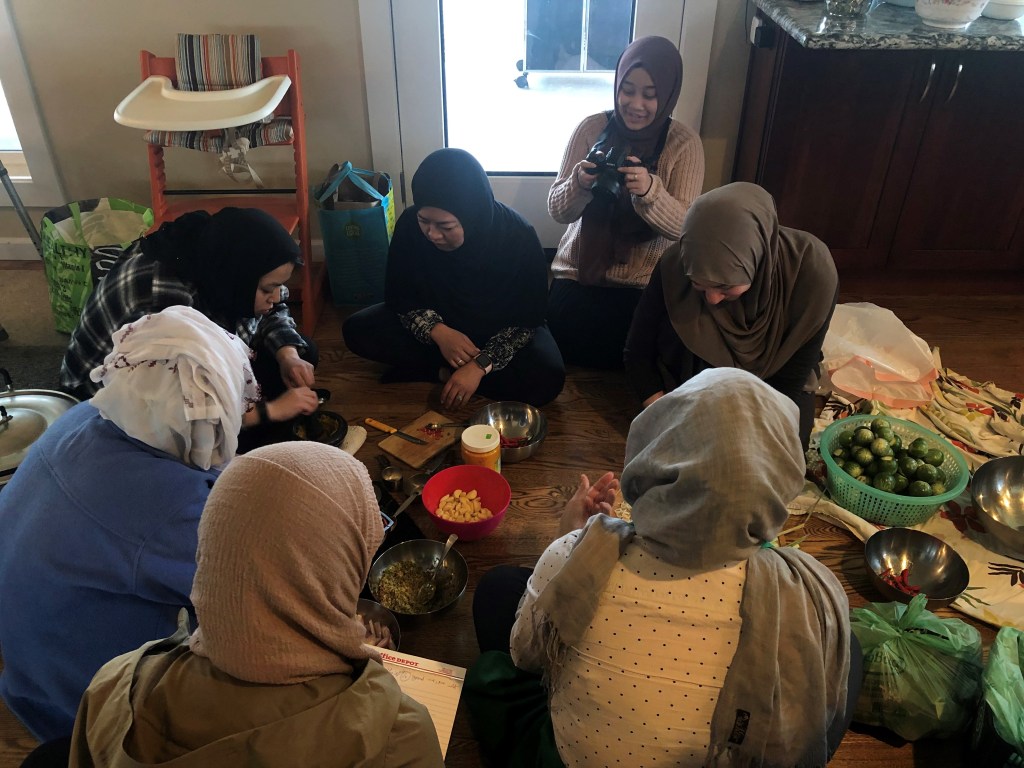
Ai pai pageng is a signature Cham cuisine that continues to be preserved throughout generations. This dish is a labor of love that elicits a feeling of warmth and home in every bowl. And each bite features a taste of all the different textures and spices used. Although this dish is served throughout the year, it is particularly comforting to eat during the cold winter months. Ai pai pageng is often served with jasmine rice (though one can substitute with brown rice or bread) and is usually the main dish of a family meal. Recipe provided by Hajjah Rokygiah Kally Salaymane KQ.
Prep time: 1.5 hours; Cooking time: 1 hour; Servings: ~25
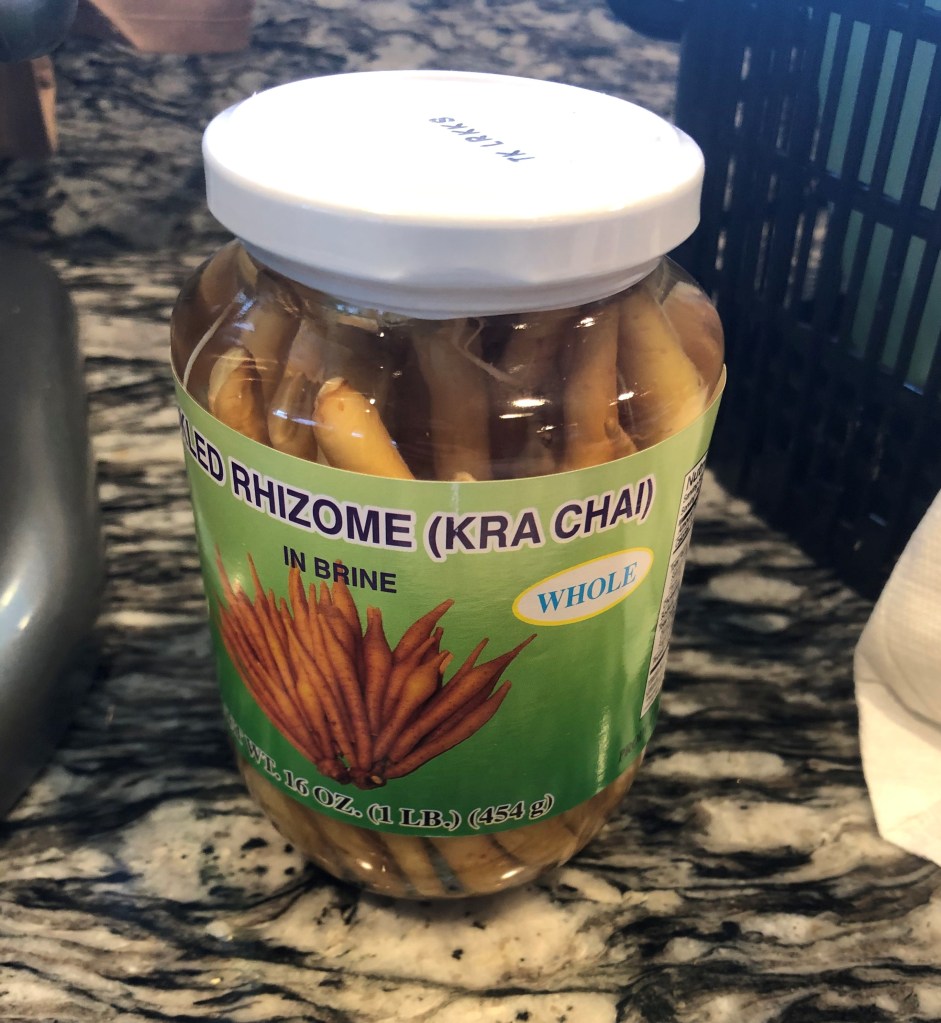
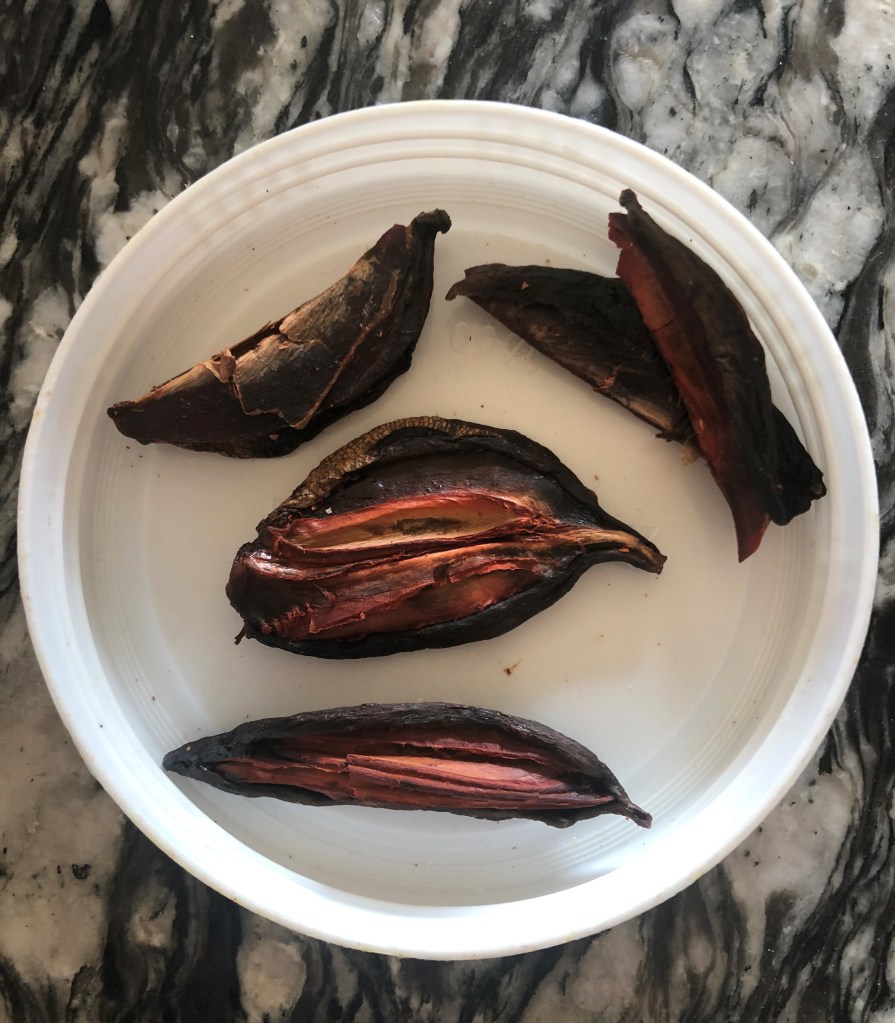
Note 1: Toasted coconut is often procured from Vietnam (family/friends usually bring it back with them after a trip)
Note 2: To make toasted rice flour, wash rice grains as you would when cooking rice. After washing, lay grains on paper towel and let dry, preferably overnight. Once dried, brown (toast) the rice using a pan, taking care not to burn. Once brown, let the rice cool and then using a blender or food processor, blend the grains until it turns into a fine powder.
Note 3: What sa-dan is called in English is currently a mystery. My mom says the Vietnamese name for it is ‘buhhhh.’ We get sa-dan from Vietnam; family usually bring it back with them after a trip. If you know what this is called in English, please let us know!
About the chef: Hajjah Rokygiah Kally Salaymane KQ
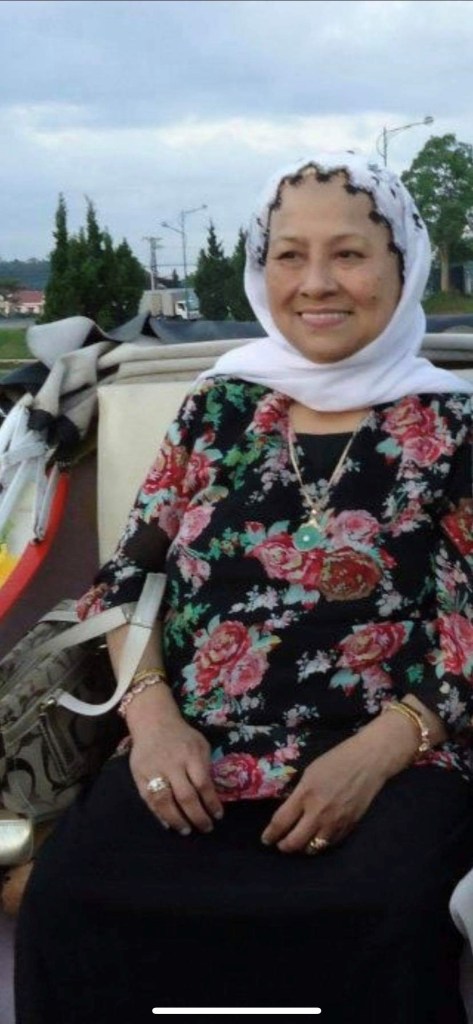
Born in Chau Doc, Vietnam in 1945, Hjj Rokygiah Kally Salaymane KQ is wife to Hj. Salaymane Abdolloh KQ; mom to Rukygiah, Nasirah, Kholysoh and Ali; and Mai (grandma) to Saedah, Saleh, Salaam, Yasmina, Zacharia, and Zayn. Hjj Rokygiah is a self-taught cook. She mastered her culinary skills from watching others, participating in community cooking events (i.e. cooking for a wedding/jamu), and most of all, utilizing what her mother taught her before her premature death. Hjj Rokygiah’s skills goes beyond ai pai pageng and her family and community always know they are in for a treat when she is in the kitchen!
This is an example post, originally published as part of Blogging University. Enroll in one of our ten programs, and start your blog right.
You’re going to publish a post today. Don’t worry about how your blog looks. Don’t worry if you haven’t given it a name yet, or you’re feeling overwhelmed. Just click the “New Post” button, and tell us why you’re here.
Why do this?
The post can be short or long, a personal intro to your life or a bloggy mission statement, a manifesto for the future or a simple outline of your the types of things you hope to publish.
To help you get started, here are a few questions:
You’re not locked into any of this; one of the wonderful things about blogs is how they constantly evolve as we learn, grow, and interact with one another — but it’s good to know where and why you started, and articulating your goals may just give you a few other post ideas.
Can’t think how to get started? Just write the first thing that pops into your head. Anne Lamott, author of a book on writing we love, says that you need to give yourself permission to write a “crappy first draft”. Anne makes a great point — just start writing, and worry about editing it later.
When you’re ready to publish, give your post three to five tags that describe your blog’s focus — writing, photography, fiction, parenting, food, cars, movies, sports, whatever. These tags will help others who care about your topics find you in the Reader. Make sure one of the tags is “zerotohero,” so other new bloggers can find you, too.

 Cham Dishes