Food brings us together. Food evokes the best childhood memories. Food is an amazing storyteller. And when you are far from home, food is often the only comfort and solace you have to take you back to a place that has helped shaped you into the person you are today. With this pride comes an immense desire to not only learn more about your culture and history; but to also share that knowledge so that future generations can have a better understanding of “where they came from.” And what better way to learn, understand and preserve some Champa history than through food?
So on a beautiful February day in Seattle, we finally kicked off our inaugural Cham Cooking Class. This is something I’ve wanted to do for a long time (and I know many other 1st gen’ers in the Cham community feel the same) so I am giddy with glee that we finally made it happen! We have many goals for these classes: 1. Obviously, to learn how to make these delicious dishes that we grew up eating, 2. To hear the origins of said dishes, 3. To learn more about each elder’s background, their lives, their stories, and 4. To better understand our history (through food and conversation), a history of what makes Cham people, Cham. For a people with little to no written history about our culture, oral history is as prized a possession as you can get, especially as the elders within our community grow older.
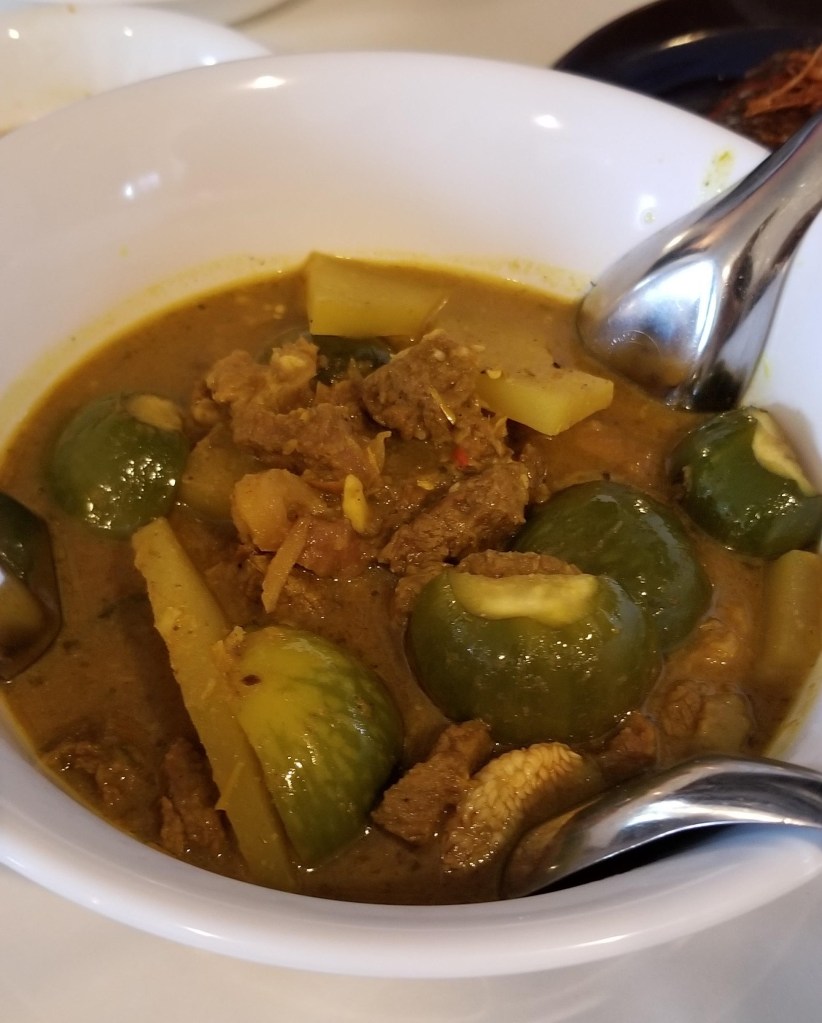
My mom, Hajjah Rokygiah Kally Salaymane KQ, blessed us as the first teacher – teaching us how to make one of my all time favorite dishes – ai pai pageng (beef stew with papaya and eggplant). To see all the work and love that went into the ai pai pageng reminded me why I loved mom’s cooking so much, and made that first bite even more delicious than I remembered. I am thankful to my mom for giving us her time (and recipe)!
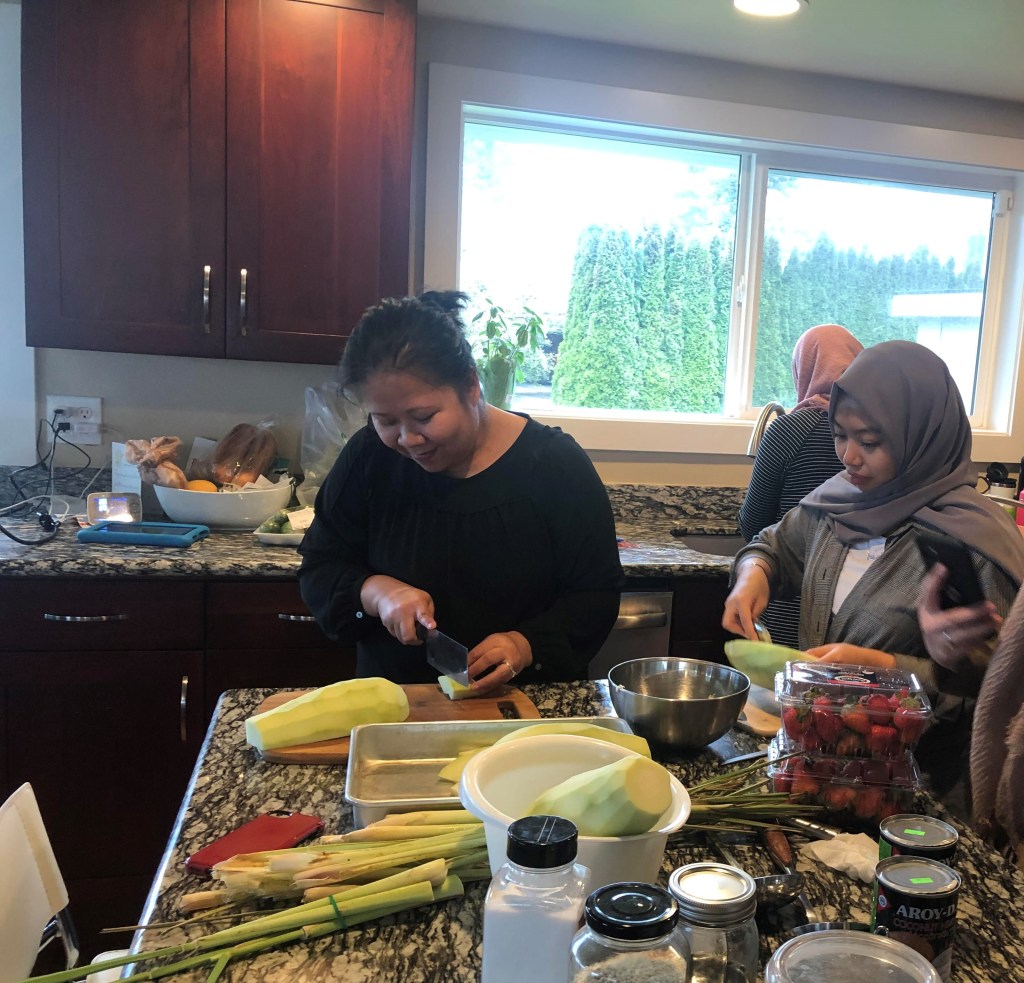
Pictured (from left): Nasirah Salaymane Craig, Sabreen Abdullah 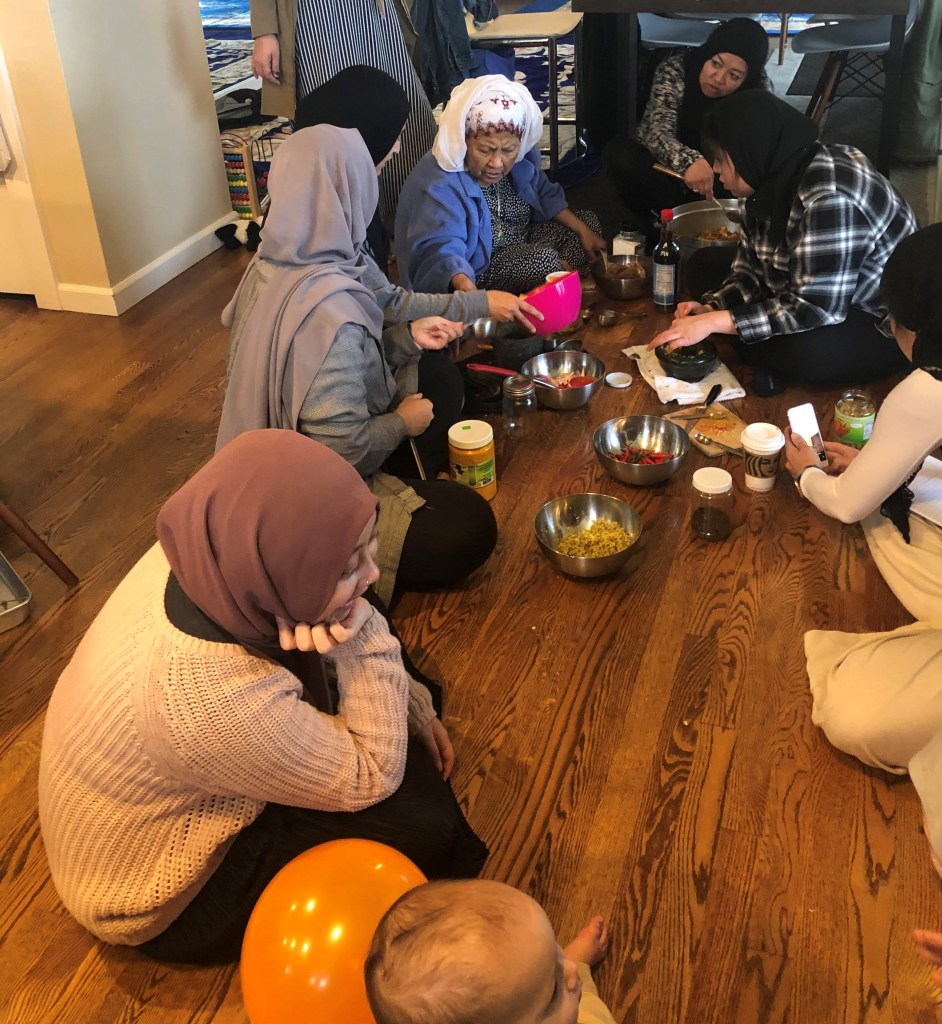
Pictured (from left): Roedah Mansur, Hjj Rokygiah Kally Salaymane, Munirah Lim, Saedah Ham 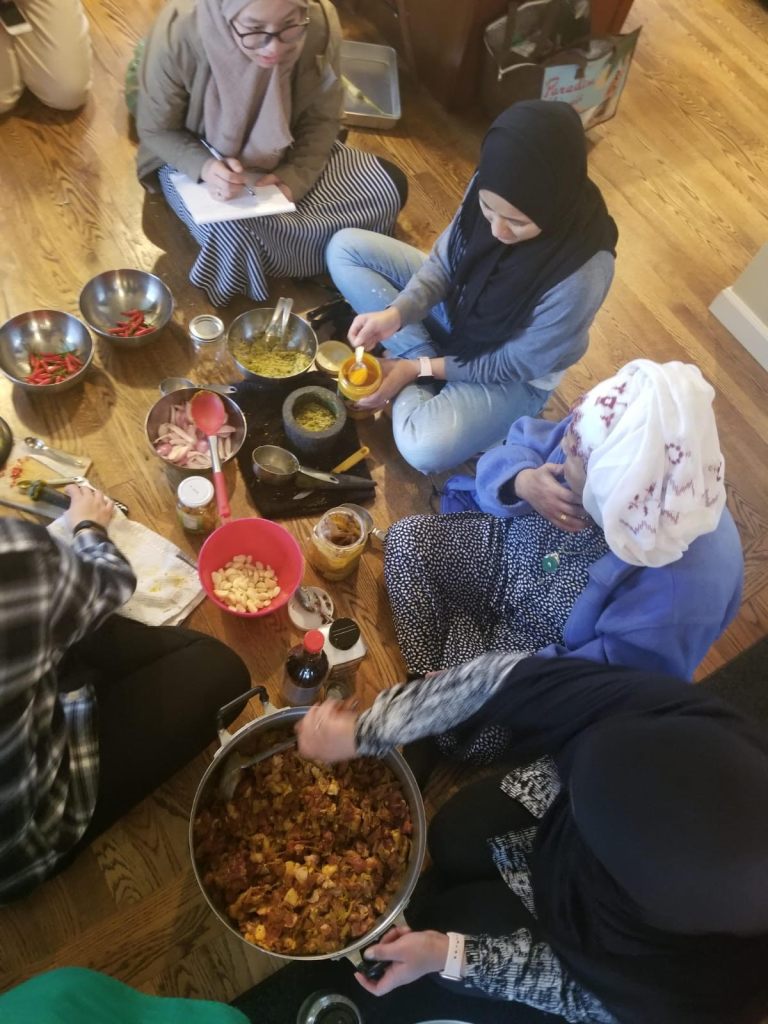
Pictured (from left): Sarya Sos, Falahigiah Mathly, Hjj Rokygiah Kally Salaymane 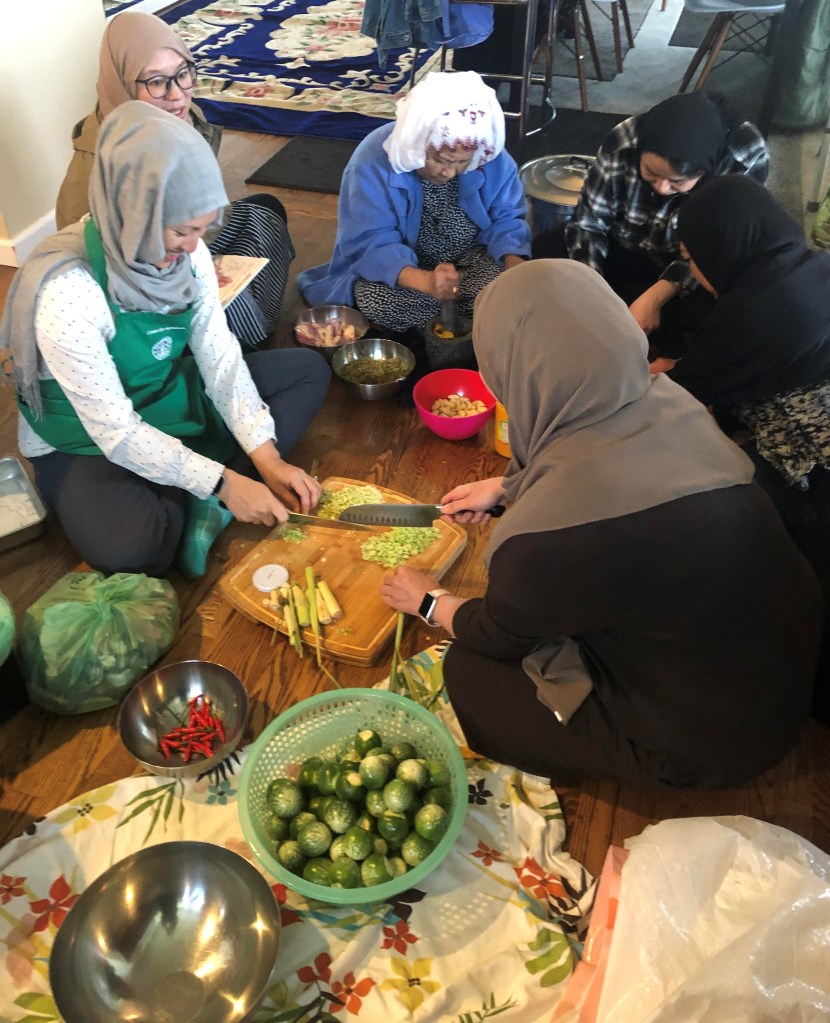
Pictured (from left): Hjj Azizah Mathly, Sarya Sos, Hjj Rokygiah Kally Salaymane, Saedah Ham 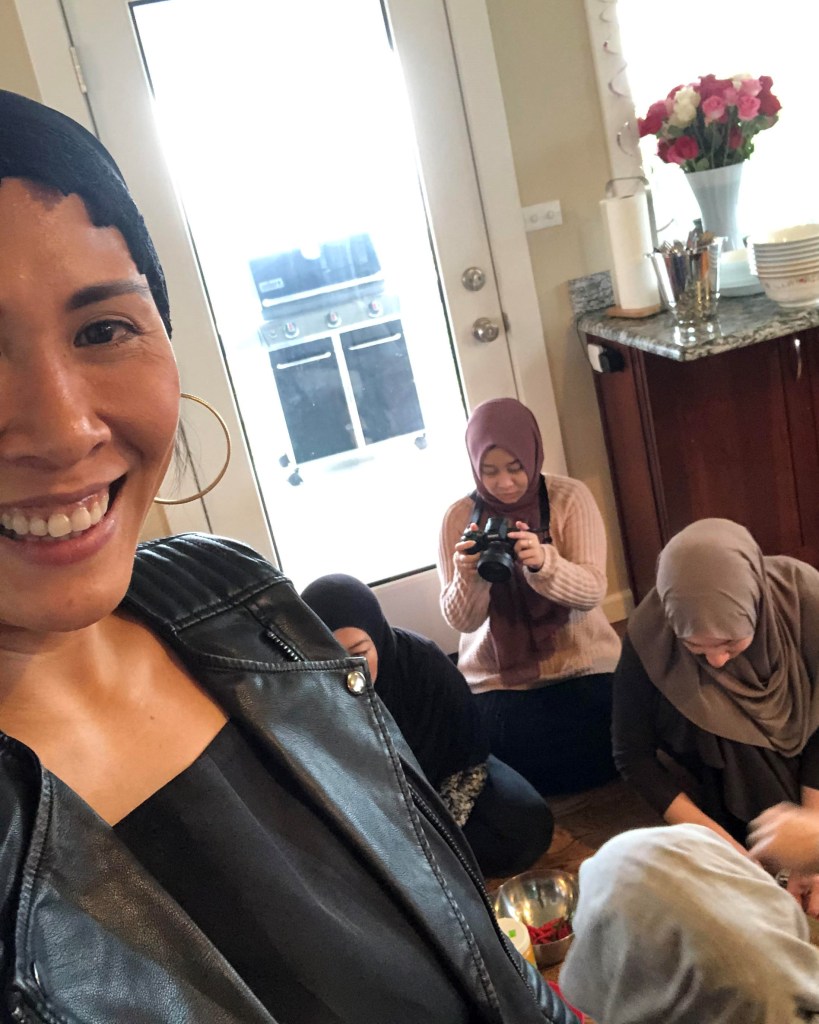
Me, attempting a selfie 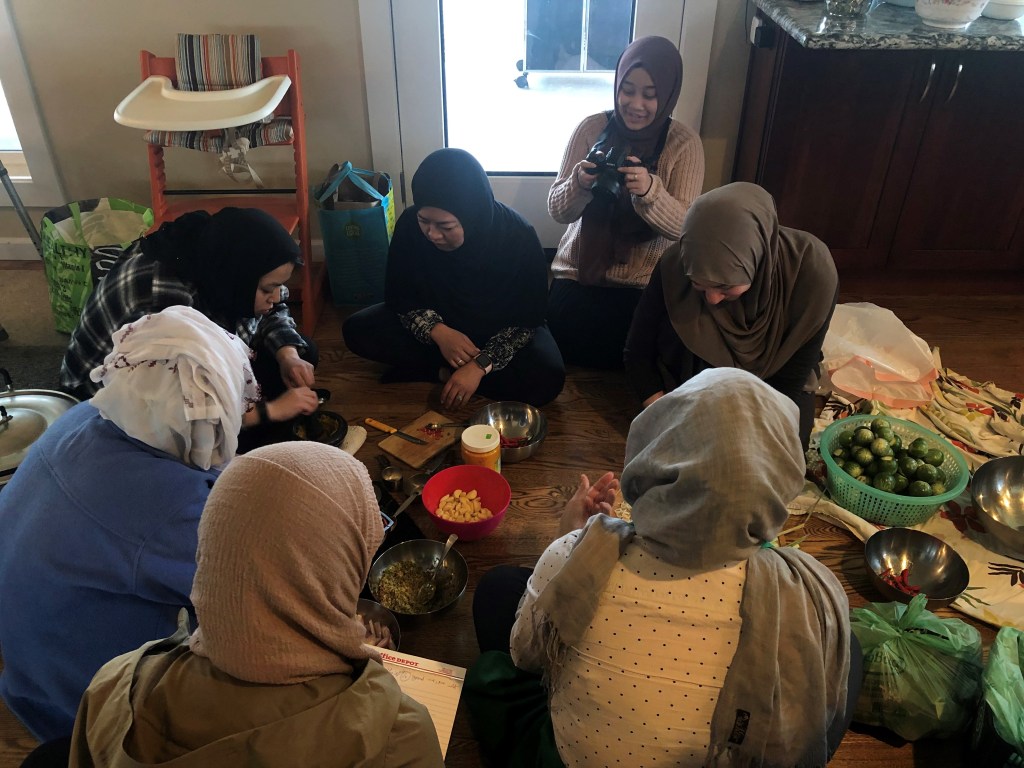
Pictured (from left): Saedah Ham, Munirah Lim, Roedah Mansur, Rokyah Math
RECIPE: Ai Pai Pageng
Ai pai pageng is a signature Cham cuisine that continues to be preserved throughout generations. This dish is a labor of love that elicits a feeling of warmth and home in every bowl. And each bite features a taste of all the different textures and spices used. Although this dish is served throughout the year, it is particularly comforting to eat during the cold winter months. Ai pai pageng is often served with jasmine rice (though one can substitute with brown rice or bread) and is usually the main dish of a family meal. Recipe provided by Hajjah Rokygiah Kally Salaymane KQ.
Prep time: 1.5 hours; Cooking time: 1 hour; Servings: ~25
- ~12lb of brisket beef, cut into 2-3 inch pieces
- 3 regular sized green papayas (cut into 3-4 inch pieces)
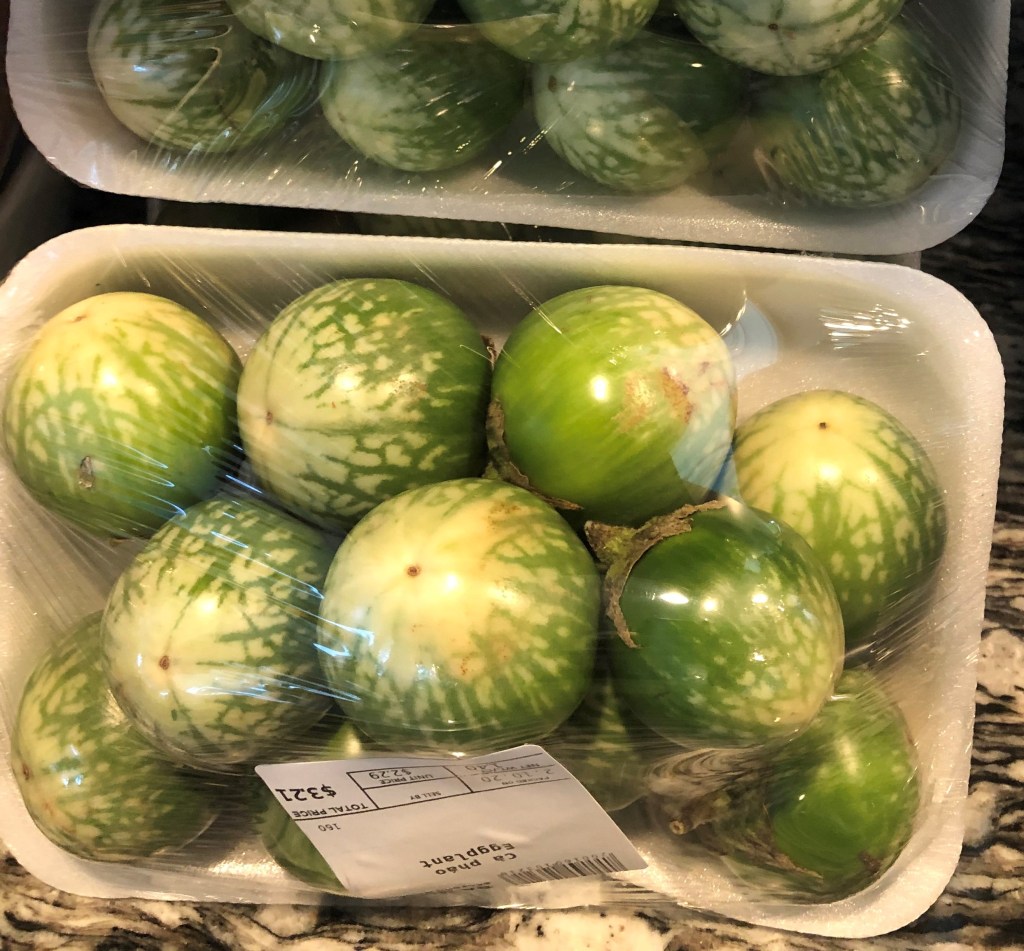
- 3-4 trays Thai green eggplants (set aside until dish is almost complete), halved
- 2 cans (13.5oz) coconut milk (Chaokoh or Aroy-D brand is often used)
- 10-12 stalks lemongrass, thinly sliced/minced
- 12 pieces of pickled rhizome (kra chai) in brine, diced
- 8-12 Thai chili peppers, cut into small pieces
- 12 shallots, diced
- 10-12 garlic cloves, diced
- 1 cup toasted coconut (see note 1)
- 8-10 tbsp turmeric (can increase/decrease for color preference)
- 1 1/2 cup fish sauce
- 8 tbsp black peppercorn
- 2 cups mushroom seasoning or msg
- 1 cup sugar
- Salt, to taste
- 1 cup toasted rice grains/flour ((pageng (see note 2))
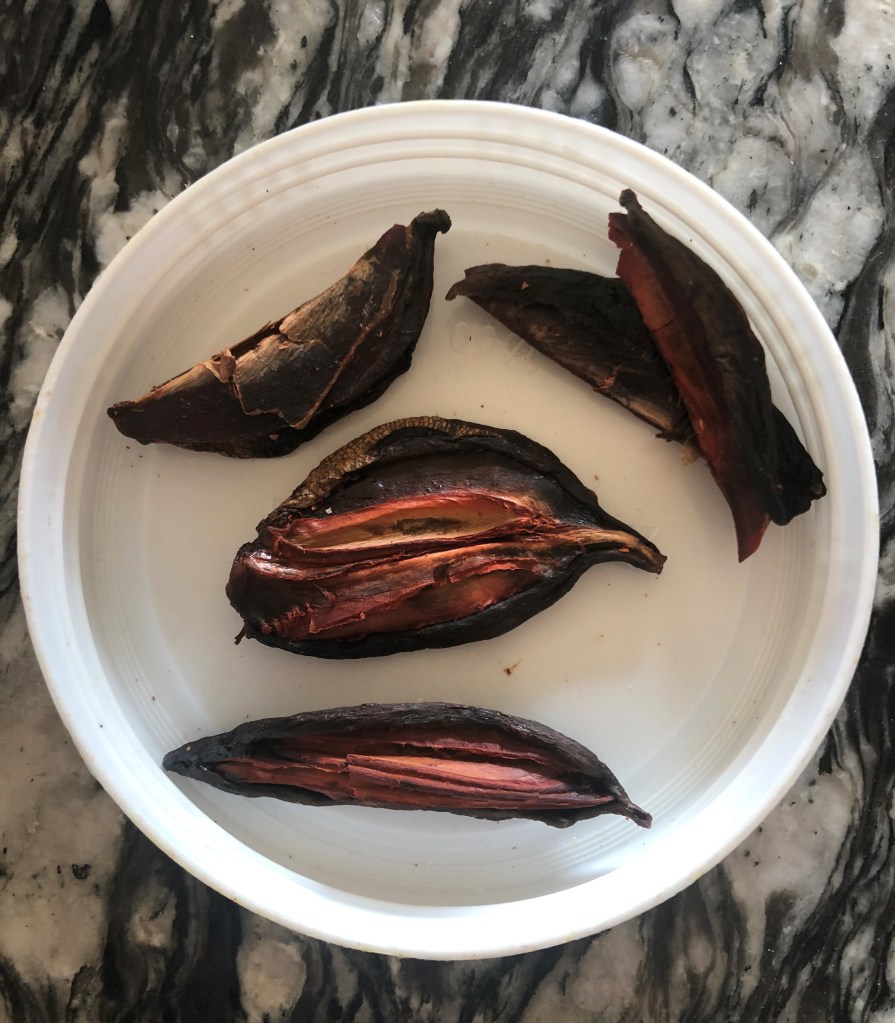
- 8-10 pieces of dried sa-dan (see note 3)
- Water (boiled)
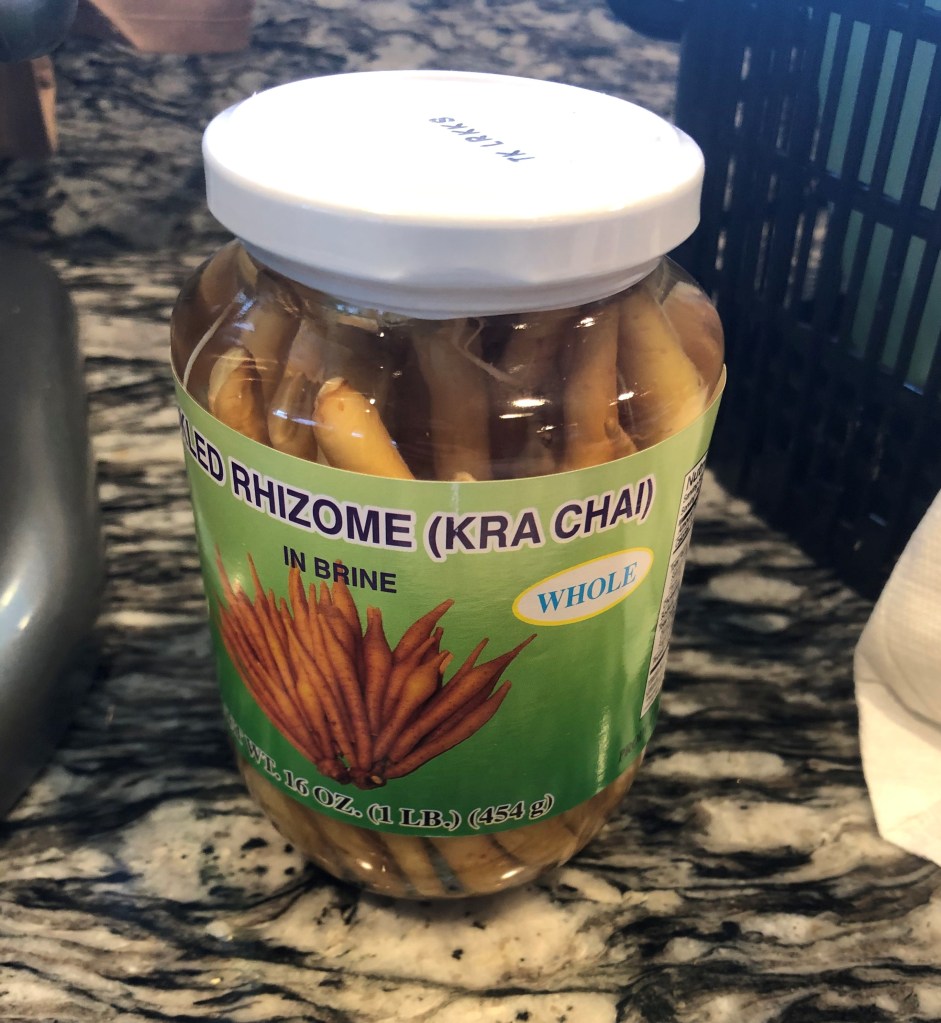
- Using a food processor or blender, blend the lemongrass until very fine.
- Remove lemongrass from blender and combine with kra chai, Thai chili peppers, shallots, garlic, toasted coconut, turmeric, fish sauce, black peppercorn, mushroom seasoning/msg, and sugar. Using a mortar and pestle, pound all these ingredients together until very fine.
- Meanwhile, boil the coconut milk until it becomes thick, about 30 minutes.
- Place the beef in a large stock pot (large enough to generously cover meat, vegetables and liquid). Add the lemongrass mixture and coconut milk to beef and mix thoroughly. Add more turmeric to achieve desired color. Marinate for at least 30 minutes, 1 hour preferred.
- As the meat is marinating, submerge sandan in boiled water for at least 30 minutes.
- Place pot on stove top high heat and cook for about 30 minutes, taking care to stir so the meat doesn’t burn. Once the meat is browned and the liquid has dried out, add papaya to pot.
- Soon after, add boiled water to pot, enough to submerge the beef and papaya, then lower the temp to med-high heat. Leave the pot on the stove top with the occasional stirring.
- After about 15 minutes, add eggplants
- After another 10 minutes, add sa-dan
- Shortly before taking off stove top, sprinkle the toasted rice (pageng) into the pot and mix thoroughly.
- Taste, and add msg, salt/fish sauce, sugar and/or chili until desired flavor. Add water and turmeric, to achieve desired thickness and color
Note 1: Toasted coconut is often procured from Vietnam (family/friends usually bring it back with them after a trip)
Note 2: To make toasted rice flour, wash rice grains as you would when cooking rice. After washing, lay grains on paper towel and let dry, preferably overnight. Once dried, brown (toast) the rice using a pan, taking care not to burn. Once brown, let the rice cool and then using a blender or food processor, blend the grains until it turns into a fine powder.
Note 3: What sa-dan is called in English is currently a mystery. My mom says the Vietnamese name for it is ‘buhhhh.’ We get sa-dan from Vietnam; family usually bring it back with them after a trip. If you know what this is called in English, please let us know!
About the chef: Hajjah Rokygiah Kally Salaymane KQ

Born in Chau Doc, Vietnam in 1945, Hjj Rokygiah Kally Salaymane KQ is wife to Hj. Salaymane Abdolloh KQ; mom to Rukygiah, Nasirah, Kholysoh and Ali; and Mai (grandma) to Saedah, Saleh, Salaam, Yasmina, Zacharia, and Zayn. Hjj Rokygiah is a self-taught cook. She mastered her culinary skills from watching others, participating in community cooking events (i.e. cooking for a wedding/jamu), and most of all, utilizing what her mother taught her before her premature death. Hjj Rokygiah’s skills goes beyond ai pai pageng and her family and community always know they are in for a treat when she is in the kitchen!
 Cham Dishes
Awesome work and write up.
LikeLiked by 1 person
Excellent article and delicious foods.
Cham foods are rich in its taste that is quite unique. Due to its ingenuity to blend the best recipes across Asia eg Thai, Indian, Vietnamese and Chinese make its foods standout in tastes, style, and statement.
Some of Cham dishes have many interesting stories in it eg best time and place to serve it, who discovered it and how and why, what kind of statements this dish echo.
Awesome way to let everyone know of our heritage and tradition.
Keep it on.
LikeLiked by 1 person
This is amazing and the cooking class was such a heartwarming experience. This is so inspiring and food really does bring people together! There was good food, amazing company and reflective conversations about Cham identity and the history of our elders. Thank you for organizing and thank you to Mai Hjj. Rokygiah 🤍
LikeLiked by 1 person
Hello.
I’m just a lurker from another state looking for information about Cham people in Washington State. I came upon your blog. This sa-dan thing sounds like the khmer word: សណ្ដាន់ (sandan). In Vietnamese, it’s called bứa nhà from the tree, Garcinia loureiroi.
“Sa-dan” could also be tai chua from Garcinia cowa. Most well-known fruit from the same genus is purple mangosteen.
Is this a Cham Chau Doc-specific dish? 99.9% of the Cham families where I live are from Phan Rang area and I have never seen them make this dish. There’s this one lone Cham Chau Doc family that makes this and they add both Thai eggplant and pea eggplant from their garden into this dish. It’s very tasty.
LikeLike
Hello! I’m so glad you stumbled upon our blog!
Thanks for the information regarding the different names for sa-dan. Just quickly reading your descriptions, I think you might be right (at least for the Vietnamese name) as that was what my mom kept calling it too.
I’m not sure if this dish is specific to Cham Chau Doc but the Cham community in Seattle is very familiar with it and the majority of us here is from Chau Doc, so that might be the case. My mom has never made it with peas but I think different vegetables can be added to the liking of the cook.
Again, thanks for stopping by and I hope you find the info you need on Cham people in Washington.
LikeLike